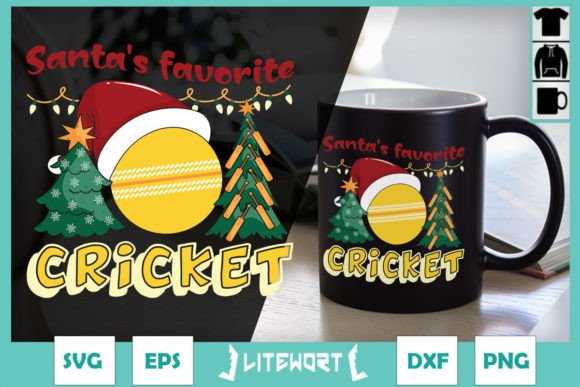
Christmas Santa’s Favorite Cricket
A Designer’s First Look: Whimsy with Warmth
Opening Christmas Santa’s Favorite Cricket feels like unwrapping a small, cheerful secret—playful but not cutesy, festive but not overwhelming. The composition balances Santa’s familiar silhouette with a tiny, perched cricket holding a miniature candy cane. It’s clever, not forced; nostalgic without leaning on cliché. As a machine embroidery design, it leans into clean outlines and intentional negative space—no frantic detail overload. That’s a win. I immediately pictured it stitched on a natural linen tea towel for a boutique holiday kitchen line, or as a subtle chest embroidery on a charcoal sweatshirt for a local maker’s small shop product.
Where This Design Shines in Real Projects
Christmas Santa’s Favorite Cricket excels where charm and clarity matter most: personalized gifts, boutique merchandise, and handmade products that tell a quiet story. On a cotton tote bag? Perfect—it reads clearly at 3.5 inches wide, holds its shape across seams, and invites conversation without shouting. On a baby onesie? Yes—its compact footprint avoids bulky stitch buildup, and the gentle curves translate well to soft, stretchy fabric when stabilized correctly. As an embroidered patch? It works beautifully: the SVG and EPS files scale cleanly for iron-on or sew-on versions, and the balanced fill stitch areas won’t pucker under wear.
I tested a mockup on a relaxed-fit unisex sweatshirt—and it landed just right: friendly, seasonal, and distinct from mass-market holiday graphics. Etsy sellers will appreciate how easily it fits into printable mockups for listings: it photographs well on light and dark backgrounds, and the contrast between Santa’s red hat and the cricket’s neutral tones keeps thread color choices flexible. For craft fair vendors, this is a standout design for aprons, pillow covers, or even holiday-themed kitchen towels—it’s memorable enough to spark “Where’d you get that?” moments, but refined enough to feel intentional, not kitschy.
Where to Proceed Thoughtfully
This isn’t a one-size-fits-all embroidery file—and that’s honest, not limiting. On highly textured fabrics like bouclé or thick terry cloth, some of the finer cricket details (like the antennae or tiny candy cane) may soften in the stitch. On thin or lightweight fabrics—think voile baby blankets or delicate napkins—stitch density matters more than usual. Review the fill stitch coverage before stitching: if it’s dense in small zones, add tear-away stabilizer underneath *and* a light topping to prevent snagging.
Caps and curved surfaces demand caution too. The design’s horizontal orientation and modest height make it viable for front-panel cap embroidery—but only if your hoop size comfortably clears the bill curve. Always test on scrap fabric first, especially with stretchy knits or dark garments where thread color contrast becomes critical. And while the PNG and SVG files are great for digital previews or applique templates, remember: they’re not embroidery-ready files out of the box. You’ll need to digitize or convert them properly for your machine—so confirm compatibility with your embroidery software before committing to a production run.
What It Adds to Your Finished Product
Used well, Christmas Santa’s Favorite Cricket lifts the perceived value of your finished product—not through flash, but through thoughtful execution. Customers notice when a design feels cohesive, legible, and intentionally scaled. A well-stitched version on a custom apron tells buyers you care about detail. On a holiday gift tag or personalized pillow cover, it adds warmth and personality without clutter. For craft businesses and Etsy sellers, that translates directly to trust: it signals craftsmanship, not just convenience.
It also supports brand consistency. Because the design avoids dated trends or overused motifs, it fits naturally into a broader holiday collection—paired with minimalist trees, snowflakes, or vintage-style ornaments—without clashing. And unlike generic clip art, it has visual personality: the cricket’s tilt, Santa’s relaxed posture, and the slight asymmetry make it feel hand-drawn, not algorithm-generated. That handmade presentation resonates deeply with today’s buyers.
Practical Notes Every Embroidery Designer Should Check
- Test first: Stitch a sample on scrap fabric matching your final project’s weight and texture—even if it’s just a corner swatch.
- Stabilizer strategy: Use cut-away for knits, tear-away for stable wovens, and consider topping for fuzzy or napped fabrics.
- Thread contrast: Try black thread on cream linen and white thread on navy cotton—then compare both in natural light.
- Hoop size & placement: Measure the design’s widest point. If it’s near your machine’s maximum hoop width, factor in seam allowances and garment drape.
- Small details: Zoom in on the cricket’s legs and candy cane in your embroidery software—ensure no stitches fall below 0.8mm width for reliable execution.
- Mockup realism: Preview the PNG in grayscale and high-contrast mode—this reveals potential clarity issues on dark or busy backgrounds.
- Licensing check: Since this is a digital embroidery file sold as a Graphics asset, verify whether commercial use is permitted before selling finished embroidered items or bundling it into design assets for resale.
Final Thought: A Quiet Standout for Craft Businesses
Christmas Santa’s Favorite Cricket won’t dominate a holiday catalog—but it doesn’t need to. Its strength lies in specificity, charm, and adaptability across Crafts and Graphics applications. It’s the kind of embroidery file that earns repeat use: on a batch of nursery decor, then reimagined as a limited-run patch for a small shop’s holiday pop-up, then scaled down for a delicate baby embroidery project. For designers, Etsy sellers, and creative entrepreneurs who value authenticity over volume, it’s a quietly confident choice—one that makes your handmade product feel both personal and polished.