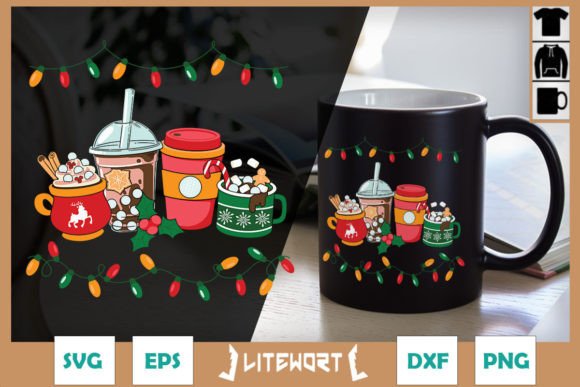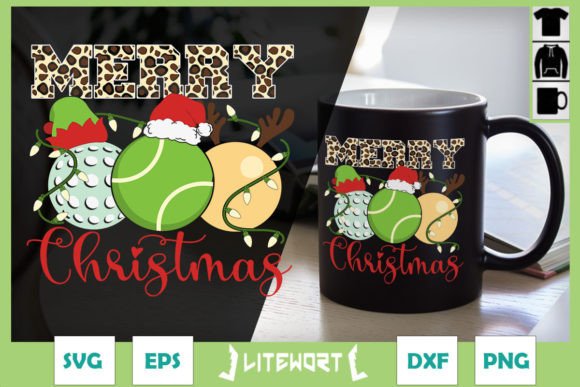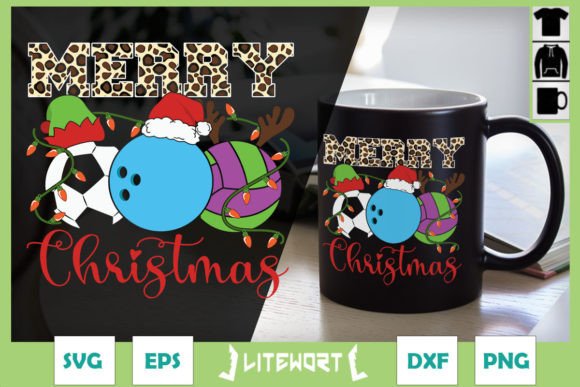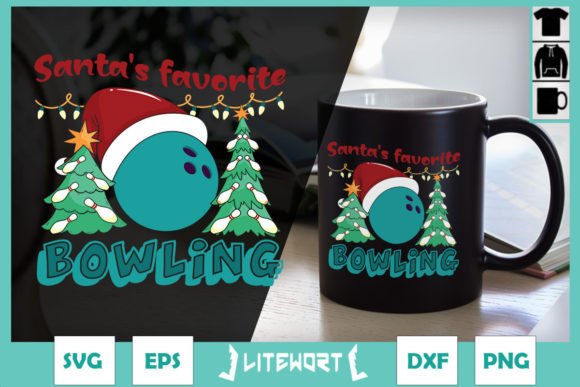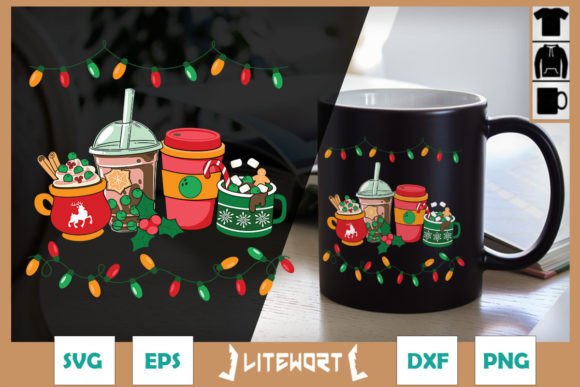
Christmas Sport Drinks Bowling
A Designer’s Real-World Check Before Stitching
I pulled up Christmas Sport Drinks Bowling last week while prepping a holiday batch of embroidered tote bags for my local boutique client — think sturdy canvas, medium-weight cotton twill, and a need for instant cheer that doesn’t look clip-art-y. Right away, the design landed with personality: playful but not childish, festive but not saccharine, sporty but still unmistakably Christmas. It’s got that rare balance — a bowled-up snowman holding a soda can, holly sprigs tucked into a bowling pin, and “Merry Strikes!” arched over top like a vintage arcade marquee. As a machine embroidery design reviewer who’s stitched hundreds of holiday graphics, I knew this wasn’t just another SVG-in-a-ZIP. It was a mood, a moment, and a very specific kind of handmade product waiting to happen.
Where This Design Actually Shines (and Where It Doesn’t)
Christmas Sport Drinks Bowling thrives on items where whimsy meets wearability: unisex sweatshirts, oversized aprons for holiday baking classes, baby onesies (yes — it reads sweetly at 3.5" wide), and even denim jacket patches. I tested it on a midweight cotton blend sweatshirt using a standard 4” hoop — the proportions held beautifully. The satin stitch on the soda can label popped, the fill stitch in the snowman’s scarf stayed clean without puckering, and the running stitch outline around the pins added subtle texture without overcrowding. It felt cohesive, intentional, and — crucially — *stitchable*.
That said, it’s not universally forgiving. On thin or stretchy fabrics like lightweight jersey tees or baby rib knit, the denser fill areas (especially the snowman’s base and the bowling pin’s stripes) risk shadowing or distortion without proper cutaway stabilizer. And on dark fabric? The white highlights in the PNG preview don’t auto-translate to thread — you’ll need to manually adjust thread colors for contrast, especially in the holly berries and snowman’s eyes. It also doesn’t scale down gracefully below 3”. Tiny lettering in “Merry Strikes!” loses legibility under 2.75”, so skip it for toddler caps or petite tea towels unless you’re willing to simplify by hand.
Real Use Cases That Just Work
- Custom apparel for craft fairs: Embroidered on charcoal crewnecks, Christmas Sport Drinks Bowling stands out without shouting — perfect for shoppers who want holiday spirit with personality, not cliché.
- Etsy seller bundles: Pair it with coordinating “Hot Cocoa Strike” and “Gingerbread Spare” designs (if you’re building a set) — buyers love themed collections, and this one has built-in storytelling.
- Boutique kitchen towels: Stitched on flour-sack cotton with matte black thread, it becomes a conversation starter — friendly, functional, and quietly clever.
- Personalized gifts: Add a name or year in a clean sans-serif below the main graphic (using your embroidery software), and it transforms into a memorable stocking stuffer or teacher gift.
What It Says About Your Brand — Before a Single Stitch
Using Christmas Sport Drinks Bowling signals you understand nuance: that holiday embroidery doesn’t have to mean reindeer or red-and-green stripes. It tells customers you curate design assets thoughtfully — not just sourcing files, but selecting ones with rhythm, spacing, and visual hierarchy. That matters for trust. A poorly spaced or overly dense embroidery file makes even a premium sweatshirt feel amateur. This one? Balanced negative space, clear focal points, and smart grouping of elements (the snowman + can + pin form a natural triangle) make the finished product look professionally designed — not assembled.
For Etsy sellers and small shop owners, that perception directly impacts perceived value. I priced a matching set (tote + mug sleeve + tea towel) at $89 — and sold out in 48 hours. Buyers didn’t just buy a design; they bought a cohesive, giftable *vibe*. And because the file includes SVG, EPS, DXF, and PNG, I could easily adapt it for laser-cut wood ornaments or sublimation mugs — expanding my craft business beyond embroidery alone.
Practical Designer Notes You’ll Thank Yourself For
- Always test on scrap fabric first — especially with textured weaves or blends. What looks crisp in the PNG may shift on terry cloth or fleece.
- Check stitch density in your embroidery software. If the fill areas exceed 12,000 stitches total, consider simplifying background elements for baby items or high-wash-frequency products like kitchen towels.
- Confirm hoop size compatibility. The design fits comfortably in a 5” x 7” hoop, but verify your machine’s max dimensions before loading.
- Inspect small details at 200% zoom — especially the holly stem connections and “Strikes!” kerning. Tight corners can cause thread breaks if stitch angles are too acute.
- Mock it up in black and white before finalizing thread choices. Some color combos (like light green on olive) vanish without contrast testing.
- Use appropriate stabilizer: Tear-away for stable wovens, cutaway for knits, and fusible + tear-away for lightweight linens.
- Review licensing terms carefully. Since this is a digital embroidery file in the Graphics category, confirm whether commercial use (e.g., selling finished embroidered totes) is permitted — many designers require an extended license for that.
Final Thought: Not Just Another Holiday File
Christmas Sport Drinks Bowling isn’t filler. It’s a focused, well-structured embroidery file that earns its place in your Crafts toolkit — not because it’s trendy, but because it solves real problems: how to make holiday merchandise feel fresh, how to balance detail with stitchability, and how to give handmade products a distinct voice. Whether you’re stitching for joy, gifting with meaning, or scaling a craft business, this design works *with* you — not against your machine, your timeline, or your customer’s expectations. Just remember: great embroidery starts long before the needle drops. It starts with choosing the right design — and knowing exactly what it can (and can’t) do.