Gaming Screen, Tumbler Wrap: A Crafter's Video Game Asset
First Look: The Gamer-Centric Mood of This Tumbler Wrap
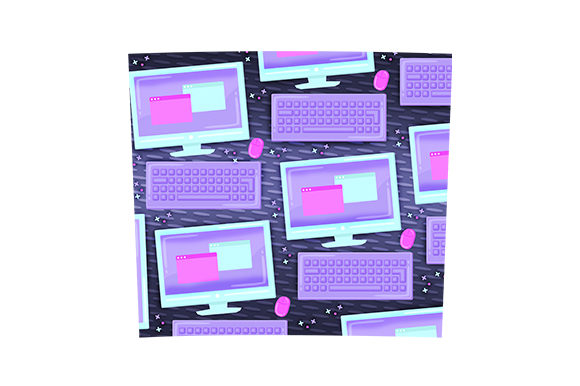
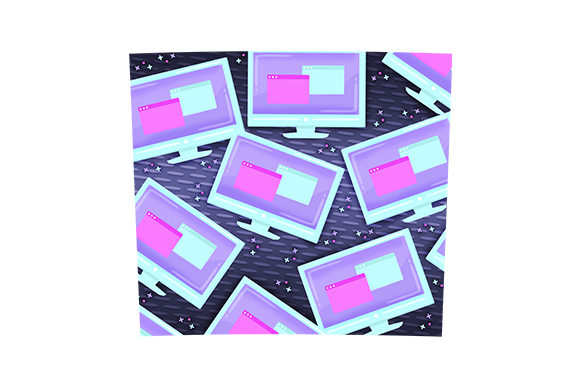
When I unzipped the folder and opened the PNG file for the first time, I immediately felt the pull of nostalgia. The Gaming Screen, Tumbler Wrap design isn’t subtle—it’s a bold, pixel-packed tribute to classic arcade visuals. Neon pinks, electric blues, and deep blacks dominate the composition, suggesting a screen ripped straight out of a retro gaming console. For an Etsy seller who specializes in Video Games merchandise, that’s a powerful first impression. The mood is playful, energetic, and unapologetically geeky, which instantly tells me who the buyer will be: gamers, streamers, and anyone who loves the intersection of digital nostalgia and handmade crafts.
As a digital product creator, I’m always scanning for assets that balance niche appeal with commercial flexibility. This graphic design asset lands squarely in the Crafts category, but it’s clearly designed for the Video Games subculture. That’s a sweet spot for print-on-demand and physical product sellers. The visual personality leans modern-retro, making it a candidate for tumbler wraps, t-shirts, and other merchandise that needs instant recognition. One thing I noticed right away: the transparent background is crisp, and the intricate pixel details are sharp even at 300 DPI. That’s a good sign for anyone planning to scale the design up for a full-wrap tumbler.
Testing Across Products: Beyond Just a Tumbler Wrap
I rarely trust a design until I’ve thrown it onto five different mockups. With the Gaming Screen, Tumbler Wrap, I started with the obvious use case: a 20oz skinny tumbler. The file’s dimensions wrapped perfectly around the curved surface in my mockup template, and the vibrant colors popped against a matte black background. But I wanted to see how far this illustration could stretch. I tested the transparent PNG on a white t-shirt mockup, and the design retained its punch—no muddy edges, just clean, arcade-ready energy. For sublimation designs, that’s exactly what you want.
Then I imported the SVG into my Cricut Design Space. The cut lines were surprisingly clean for a design this detailed. I wouldn’t hand it to a beginner for a tiny sticker, but for a layered vinyl project on a mug or a phone case, the SVG held up. I even dropped the PNG into a Canva template for a gaming-themed social media graphic, and it integrated seamlessly. The EPS and DXF files gave me the same flexibility, which is a huge plus for anyone selling on multiple creative marketplaces. This isn’t just a tumbler wrap—it’s a versatile digital product that can pivot into clipart, printable wall art, planner stickers, or even a design bundle for a gaming-themed collection.
As a seller, I’m always thinking about how a single asset can reduce my workload. With this one, I could easily create a coordinated set: a tumbler, a t-shirt, a tote bag, and a sticker pack—all sharing the same nostalgic screenshots. The Video Games niche thrives on cohesion, and this design has the visual hierarchy to anchor a whole product line. I also tested it as a sublimation design for a mouse pad, and the result felt like a premium gaming accessory. The key is to let the design’s personality do the selling.
Presentation Perks: How the Design Boosts Your Shop’s Visual Storytelling
Product photography and listing images can make or break a digital download. I loaded the Gaming Screen, Tumbler Wrap onto a realistic tumbler mockup, and suddenly the thumbnail felt complete. The design’s high-contrast neon elements act as an instant attention-grabber in a crowded Etsy search results page. For a small business owner, that click-through potential is gold. The asset’s bold, screen-like composition gives you a ready-made focal point, so you don’t need to clutter the mockup with extra text or graphics.
I also experimented with using the design as a background element in a listing image for a planner sticker pack. The pixelated patterns added a layer of brand identity without overwhelming the smaller stickers in the foreground. This is where Crafts sellers who understand visual storytelling can really leverage the asset. By pairing it with a clean sans serif font for product titles and a handwritten script for price tags, you can create a cohesive look that feels both professional and handmade. Social media templates also benefit from this design—it adds a recognizable gaming vibe to Instagram stories or Pinterest pins, helping your small business branding stand out.
Where It Shines—and Where You Need to Pause
After testing, I’ve identified the products where this design truly excels. Full-wrap tumblers, large apparel prints, tote bags, and wall art allow the pixel details to breathe. The design is naturally attention-grabbing, so it works well on products with a large printable area. For a sublimation design, the color saturation is a dream on white polyester, and the black background on the tumbler mockup created a dramatic, gaming-lounge vibe. It also translates well into a digital paper pack for scrapbooking kits, where the pattern can be used as a decorative element.
However, there are some areas where I’d use it with caution. Try scaling the design down to a 1-inch sticker, and the intricate pixel blocks start to meld together. The SVG cut lines, while decent, have a few tight corners that could make weeding a nightmare for a beginner Cricut user. I’d avoid using this asset for any project that requires extremely fine cut details, like a delicate lace-patterned card or a tiny earring charm. Also, if you’re placing it on a dark navy or charcoal background, the deep blacks in the design might disappear; always test print colors before committing to a bulk order. For products like mugs where the design needs to wrap seamlessly, double-check the alignment on a 3D mockup to avoid awkward breaks at the seam.
One more thing: because the design has a lot of small, interconnected elements, it’s not the best choice for a text-heavy template. If you’re designing a printable planner page where legibility is paramount, the busy gaming screen will compete with your words. But for a dynamic, image-first product, it’s a solid commercial design.
Before You List: A Seller’s Practical Checklist
I never publish a new listing without running through a practical checklist, and this Gaming Screen, Tumbler Wrap was no exception. Here’s what I’d recommend to any digital product creator or handmade business owner before they put this asset up for sale:
- Test on real mockups. Use a high-quality tumbler mockup, a t-shirt mockup, and a tote bag mockup to see how the design scales. Pay attention to the alignment—the wrap is meant to be seamless, so check the seam area on a 3D render.
- Preview as a marketplace thumbnail. Resize the mockup to 300x300 pixels and check if the design is still recognizable. The neon colors should pop, but if they blur, you might need to boost contrast slightly.
- Check colors on both white and dark backgrounds. The transparent PNG is versatile, but the design’s energy changes when placed on a white tote versus a black mug. See what works best for your brand.
- Inspect the SVG cut file. Open it in Cricut Design Space or Silhouette Studio. Look for stray nodes, overlapping paths, or overly thin sections that could tear during weeding. If you’re selling a digital download, consider including a simplified version for beginners.
- Verify commercial licensing. The product description says you receive the design in SVG, PNG, EPS, and DXF files, but always confirm that you have a commercial license to sell physical products. Many Etsy sellers assume, but it’s worth double-checking.
- Organize files for customers. Inside the download folder, separate the SVG, PNG, EPS, and DXF into clearly labeled subfolders. This small touch improves perceived value and reduces customer confusion.
- Pair with complementary fonts. When creating listing images, a bold sans serif font like Bebas Neue or a script font with a modern edge can amplify the gaming aesthetic. Avoid overly decorative display fonts that clash with the pixel art.
- Test print a sample. If you’re selling a physical product, print a single tumbler wrap or t-shirt transfer before listing. Colors on screen can shift dramatically during sublimation or inkjet printing.
I also recommend creating a small design bundle with this asset. Pair it with a gaming-inspired word art, a retro controller silhouette, and a geometric pattern, and you’ve got a Video Games collection that could sell as a digital download on Creative Fabrica or Etsy. The Crafts market loves variety, and this asset is a strong anchor for a themed pack. For packaging design, a snippet of the pixel art on a product tag adds a professional touch without extra cost.
Final Thoughts from a Seller’s Perspective
After spending a few hours testing the Gaming Screen, Tumbler Wrap across platforms, I’m confident it’s more than just a pretty design. It’s a hardworking commercial asset that can slide into multiple product categories without feeling forced. The nostalgic gamer aesthetic is trending, and the file formats cover all the bases: SVG for cutting machines, PNG for sublimation and digital overlays, EPS for advanced editing, and DXF for Silhouette users. That’s a real time-saver for a seller juggling multiple creative marketplaces.
Still, no design is perfect for every scenario. I’d steer clear of ultra-miniature products and situations where a clean, simple silhouette is needed. But for a print-on-demand tumbler, a gaming-themed t-shirt, or a vibrant tote bag, this asset is a solid addition to any digital product library. As a small business owner, I’d be comfortable using it to build a cohesive brand around Video Games and Crafts. The key is to test, tweak, and present it in a way that makes your customer say, “I need that on my cup.” With the right mockup and a thoughtful listing, this design asset can become a reliable seller in your shop.