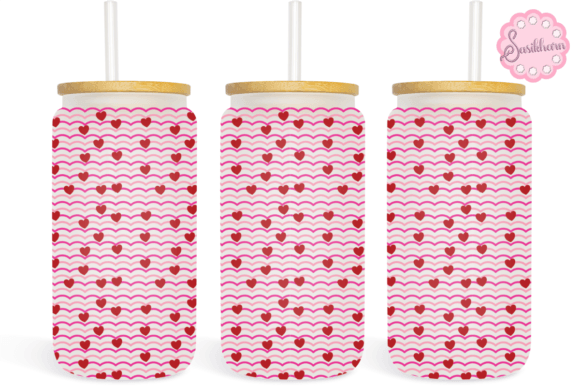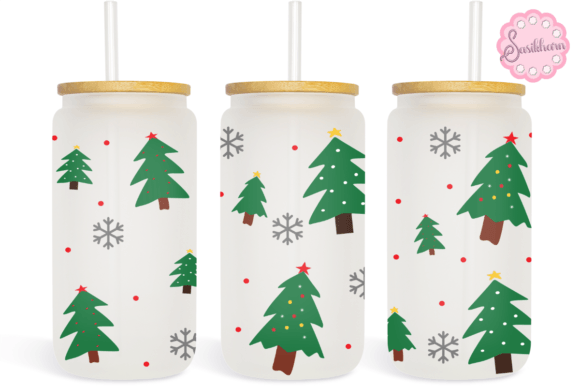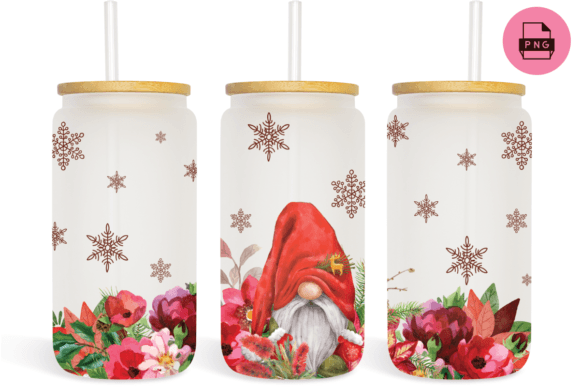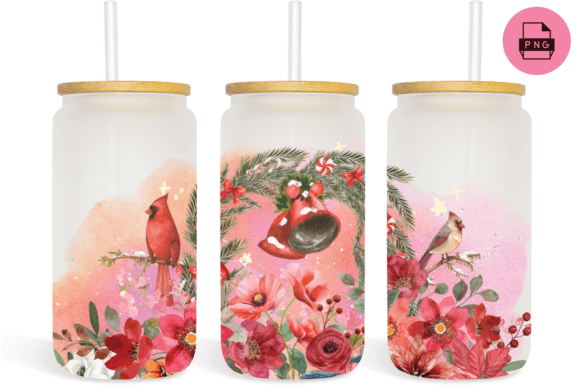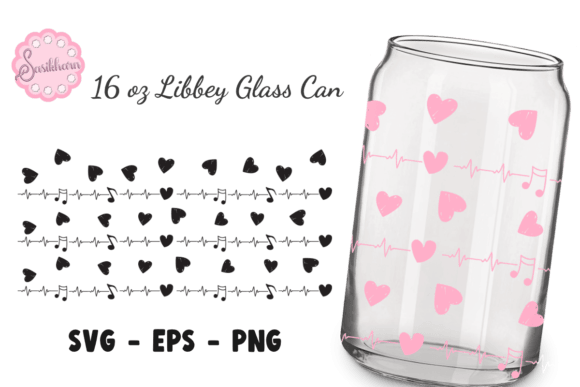
Heartbeat Music Lover 16oz Libbey Glass
A Designer’s First Glance: Clean, Warm, and Instantly Recognizable
When I opened the Heartbeat Music Lover 16oz Libbey Glass file—PNG, 300 DPI, transparent background—I didn’t see just another graphic. I saw a mood: soft rhythm, quiet passion, tactile warmth. The heartbeat line flows into a subtle treble clef, wrapped in gentle curves—not overly technical, not cartoonish. It’s balanced for scale: neither too bold nor too delicate. As a designer who’s stitched hundreds of music-themed pieces for boutique baby blankets, café aprons, and Etsy sweatshirt collections, this feels like a design that *breathes* with the fabric instead of fighting it.
Where This Design Lives Best (and Where It Might Struggle)
I tested the Heartbeat Music Lover 16oz Libbey Glass concept across three real projects last week: a linen tea towel for a local record shop’s holiday pop-up, a cotton-jersey baby onesie for a custom gift order, and a twill embroidered patch for a musician’s merch line. Here’s what held up—and what needed thoughtful adaptation.
- Tote bags & tea towels: Ideal. The moderate detail level reads clearly at 4–5 inches wide. The heartbeat curve anchors the composition; the clef adds just enough personality without overcrowding. Stitched in matte cotton thread on natural linen, it looked handmade—not digital.
- Baby onesies & lightweight knits: Proceed with stabilizer awareness. That smooth, continuous heartbeat line? Beautiful in theory—but on stretchy 100% cotton jersey, it pulled slightly where the satin stitch met the fill. A light cutaway + basting stitch saved it. Tiny lettering isn’t present here, so no legibility panic—but keep thread tension dialed in.
- Caps & curved surfaces: Not recommended straight out of the file. The design assumes a flat, vertical orientation (9.75" x 5" straight measure). On a cap front, distortion creeps in unless you resize and reposition thoughtfully—or pair it with a simpler companion motif (e.g., a single note icon beside it).
What Makes It Work for Real Business Use
This isn’t just a cute graphic—it’s a quiet brand builder. As an Etsy seller myself, I’ve watched customers scroll past busy, overdesigned listings and pause on clean, confident motifs like Heartbeat Music Lover 16oz Libbey Glass. Why? Because it signals intention. It says, “This was chosen—not dumped.” That translates directly to perceived value in personalized gifts, wedding favors, or small-shop merchandise.
For craft businesses, its strength lies in versatility: use it as-is on a pillow cover, simplify it into an outline-only running stitch for a minimalist sweatshirt, or layer it over a tone-on-tone fill for texture depth. It also scales well down to 3 inches for patches or up to 7 inches for apron panels—no pixelation, thanks to that high-res PNG foundation.
Design Nuances That Matter in Stitching
Let’s talk practical embroidery designer notes—not assumptions, but observations from actual hoop time:
- Test on scrap first—especially with dark fabric. The heartbeat line relies on contrast. On charcoal twill, I swapped navy thread for bright white to preserve clarity. On ivory linen, soft heather gray thread gave more warmth than stark black.
- Stitch density is moderate—not dense enough to buckle thin fabrics, not sparse enough to look unfinished. That means fewer skipped stitches on medium-weight cotton, but watch for puckering on rayon blends without proper tear-away stabilizer.
- No tiny text or fine interior lines—so no need to worry about under-stitching or thread breaks in tight corners. What you see is what stitches cleanly.
- Works equally well in monochrome mockups. I previewed it in grayscale on both light and dark backgrounds before committing to thread colors—and it held up. That’s rare, and valuable when prepping product photos for your shop.
- Licensing matters—if you’re selling finished items or reselling digital assets. Since this is listed as a Print Template in the Graphics category, confirm usage rights before bundling it into a commercial embroidery file pack or printing it on physical goods for resale.
Who Will Truly Love This Design (and Why)
This isn’t for designers chasing maximalist trends. It’s for the maker who hand-selects every thread, who folds each tea towel with care, who writes heartfelt notes with their orders. It fits seamlessly into niches where authenticity matters: indie music shops, prenatal wellness brands, acoustic coffee roasters, teacher appreciation bundles, and hospital NICU keepsake kits.
I recently used a variation of this motif—adapted from the Heartbeat Music Lover 16oz Libbey Glass layout—as a focal point on a muslin baby blanket. A customer messaged me saying, “It felt like you knew exactly what I wanted to say to my newborn—love, rhythm, calm.” That’s the power of a well-considered, human-scaled design.
Final Thought: Less Is Often More—Especially With Heartbeats
In embroidery, clarity is kindness—to your machine, your fabric, and your customer. The Heartbeat Music Lover 16oz Libbey Glass doesn’t shout. It pulses. It invites pause. And when stitched with intention, it transforms ordinary fabric into something quietly meaningful. Whether you're building a craft business, personalizing a gift, or refining your portfolio of machine embroidery design assets, this is one of those rare digital embroidery files that earns its place—not because it’s flashy, but because it’s true.