Made in the 70 s Hippie Keychain: A Groovy Stitch Test
Some designs immediately transport you to a specific era, and Made in the 70 s Hippie Keychain does exactly that. As someone who has spent years testing embroidery files across countless fabric types and product applications, I have learned to spot designs that will actually stitch well versus those that only look good on a screen. This one caught my attention because it blends nostalgia with a clean, recognizable silhouette, and that combination tends to perform beautifully in finished embroidery projects.
My first impression is that this design carries a relaxed, feel-good energy without being overly complicated. The groovy lettering and the peace-loving vibe feel authentic to the decade it references, and I can already picture it stitched onto a canvas tote bag slung over someone's shoulder at a weekend market. What matters most to me, and to any maker reading this, is whether that visual charm translates into clean, satisfying stitches.
First Look at the Groovy Vibe and Visual Personality
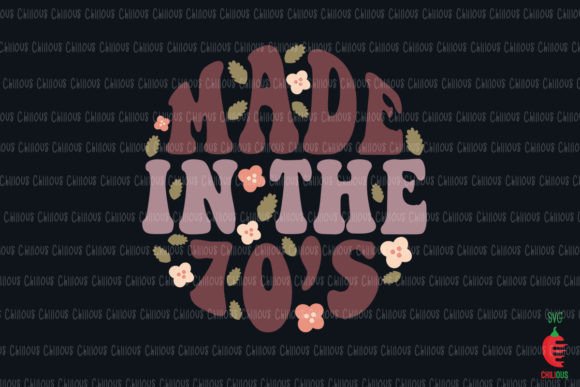
The Made in the 70 s Hippie Keychain design leans into a retro aesthetic that feels both playful and meaningful. The word "Groovy" appears in the description, and that spirit definitely comes through in the shape language. Rounded forms, a certain handwritten quality to the lettering, and a sense of movement make this design feel alive rather than stiff. For anyone who sells handmade products, that emotional connection is valuable because customers gravitate toward items that evoke a feeling, not just a graphic.
From a stitching perspective, the design appears to have a balanced layout without overly thin connections or fragile isolated elements that could cause thread breaks or poor registration. The theme is clear enough to read at a glance, which is essential for smaller products like keychains, patches, and zipper pouches. I appreciate that the design does not try to cram too much detail into a compact space. Restraint in embroidery design often leads to better real-world results.
Where This Design Truly Belongs
When I evaluate any machine embroidery design, I mentally run through the products where it would feel most at home. The Made in the 70 s Hippie Keychain naturally suits a range of handmade items that benefit from a touch of vintage personality. Tote bags are an obvious match, especially natural canvas or unbleached cotton, where the earthy tones of the seventies palette can shine. A denim jacket back panel or a chest pocket placement would also give this design room to breathe.
I could see this working wonderfully on a kitchen towel set for someone who loves retro decor, or as part of a personalized gift bundle for a milestone birthday. The keychain application is clever because it transforms the design into a small, affordable impulse buy at craft fairs, something that catches the eye on a spinning rack. For Etsy sellers and small shop products, having a design that works across multiple product categories means you can create a cohesive collection from one strong graphic.
Apparel Applications That Make Sense
On custom apparel, this design has potential but requires thoughtful placement. A lightweight sweatshirt with a slightly oversized chest print would carry the retro mood well. I would avoid using this on heavily textured fabrics like terry cloth or thick fleece, because the details could lose definition. For t-shirts, a left chest placement or a centered back design between the shoulder blades would feel intentional and balanced.
Baby clothes present an interesting opportunity. The soft, friendly shapes could work on a baby onesie or a small toddler tee, but only if the stitch density is appropriate for delicate skin. Always test baby embroidery designs on a similar fabric weight before committing to a finished piece, and consider using a soft backing that will not irritate sensitive skin.
Accessories and Home Decor Potential
Pillow covers and tea towels are two of my favorite canvases for testing embroidery file designs because they are flat, stable, and forgiving. The Made in the 70 s Hippie Keychain would look charming on a linen blend pillow cover, especially in warm mustard yellow, burnt orange, or avocado green thread choices that echo the era. A set of embroidered napkins or a decorative apron with this design could become a signature item for a craft business focused on kitchen textiles.
Patches deserve special mention here. This design has the compact, bold quality that makes for a great embroidered patch. Stitched onto a sturdy twill backing with a merrowed edge, it could be sold individually or as part of a patch set. The hippie theme resonates with festival-goers, vintage enthusiasts, and anyone who appreciates handmade accessories with personality.
A Real Project Scenario: The Tote Bag Test
Let me walk through a real scenario I considered while evaluating this design. A friend runs a small handmade shop and wanted to create a limited run of embroidered tote bags for a summer market. She needed something that felt nostalgic but not childish, something that would appeal to women in their forties and fifties who remember the seventies fondly, as well as younger customers who love the retro aesthetic.
I recommended she test the Made in the 70 s Hippie Keychain on a medium-weight cotton canvas tote in natural beige. The first stitch-out revealed that the design read clearly from about three feet away, which is exactly the distance most people will see a tote bag carried by someone else. The lettering held up well, and the overall shape maintained its integrity without puckering. She ended up using a soft coral thread on the natural canvas, and the combination looked so inviting that several customers asked about the design before she even had a chance to display the bags properly.
This is the kind of real-world feedback that matters. A design that prompts questions and starts conversations is a design that sells. The hippie Keychain theme has a built-in storytelling element that buyers connect with, and that increases perceived value in a handmade product.
What to Watch Out For in Production
Every design has considerations that experienced makers need to address before production. With the Made in the 70 s Hippie Keychain, I would pay close attention to stitch density on smaller versions. If you plan to stitch this at keychain size, which is typically under three inches, make sure the details do not become muddy or overly dense. Too many stitches packed into a tiny area can cause thread breaks, needle deflection, and a stiff, uncomfortable final product.
Fabric choice matters significantly. On stretchy fabrics like jersey or performance blends, a good cutaway stabilizer is non-negotiable. I learned this the hard way years ago when a beautiful design distorted on a soft t-shirt because I underestimated the fabric's movement during stitching. For stretchy fabric applications, hoop the stabilizer and the fabric together carefully, and consider a basting stitch around the perimeter for extra security.
Dark fabrics present another consideration. The Made in the 70 s Hippie Keychain likely uses colors that need to pop against a dark background. Test your thread color choices on a scrap of the actual dark fabric before committing. A color that looks vibrant on white thread card may disappear on a black hoodie. I often stitch a small test section, hold it under natural light, and check contrast before proceeding.
Small Hoop Limitations and Curved Surfaces
Not every design translates well to small hoop sizes. If you are working with a compact machine that maxes out at four by four inches, confirm that the design fits comfortably within your hoop boundaries without crowding the edges. Crowded edges lead to registration issues and can damage your hoop or needle.
Curved surfaces like caps and hats require special attention. The bill of a cap can interfere with your hoop, and the curved surface means the design may distort slightly from top to bottom. I have found that simpler, bolder designs handle this curve better than intricate ones with fine details. The Made in the 70 s Hippie Keychain seems to fall into the bold category, which is encouraging for cap embroidery, but always run a test on a similar cap blank before offering it to customers.
Thread Color Choices That Honor the Seventies Vibe
Color selection can make or break a retro design. For the Made in the 70 s Hippie Keychain, I would lean into thread colors that feel authentic to the period. Harvest gold, avocado green, warm rust, chocolate brown, and cream are safe bets. If you want a more modern interpretation, a monochromatic approach in a single bold color on a neutral background can look fresh and current while still nodding to the groovy inspiration.
I always recommend testing the design in a grayscale or black and white mockup before finalizing thread choices. This helps you see whether the design relies on color contrast for legibility or whether the shapes themselves carry the visual weight. A design that looks great in grayscale will generally hold up across a wider range of color combinations, giving you more creative flexibility.
Customer Trust and Brand Consistency
When you sell a finished product with the Made in the 70 s Hippie Keychain stitched onto it, you are putting your reputation behind that design. Customers notice stitch quality, even if they do not know the technical terms for what they are seeing. Clean satin stitches, even fill stitches, and a design that lies flat without puckering all contribute to customer trust and repeat purchases.
For brand consistency, consider how this design fits into your overall product lineup. If your shop is known for modern minimalist embroidery, a retro hippie design might feel out of place. But if your brand celebrates vintage aesthetics, handmade warmth, and nostalgic themes, this design could become a core piece of your collection. Cohesion matters when customers browse your booth or your Etsy shop, and each design should feel like it belongs with the others.
Practical Embroidery Designer Notes
Before you add the Made in the 70 s Hippie Keychain to your production lineup, I recommend a few practical steps based on my own workflow. First, always test the design on scrap fabric that matches your intended final product. The same design can stitch beautifully on quilting cotton and struggle on a loosely woven linen, so your test fabric should be as close to the real thing as possible.
Check the hoop size requirements and confirm that your machine can accommodate the design without scaling, unless you are confident in your software's ability to adjust stitch counts and densities appropriately. Scaling an embroidery design up or down by more than ten percent can introduce problems, so it is better to start with the correct size.
Review the stitch density and look for any areas where the needle might repeatedly pierce the same spot, which can create holes in delicate fabrics. If the design includes small lettering, inspect the stitch path to ensure the letters will form cleanly without thread pulling or gaps between characters.
I also advise checking the design in both light and dark fabric mockups. A design that looks great on a white tote bag may need adjustments for a dark denim jacket. Contrast is everything, and what works on one background may fail on another.
Licensing and Commercial Use
For makers who sell finished products, understanding your usage rights is essential. Before you stitch the Made in the 70 s Hippie Keychain onto items for sale, confirm the commercial embroidery licensing terms. Some digital files come with personal use only restrictions, while others allow limited commercial use or unlimited production. Do not assume, because selling unlicensed finished products can lead to problems down the road. The same applies if you plan to use the design in printable mockups or digital product previews. Clear licensing protects your business and respects the original designer's work.
Giftability and Buyer Engagement
One quality I look for in any design is whether it makes a good personalized gift. The Made in the 70 s Hippie Keychain has a universal appeal that crosses age groups. Someone buying a gift for a friend who loves vintage fashion, a mother who grew up in the seventies, or a coworker with a fun, free-spirited personality would be drawn to this design. The emotional connection to a specific decade adds a layer of thoughtfulness that a generic flower or monogram cannot match.
From a sales perspective, designs that spark recognition and nostalgia tend to perform well in holiday gift guides, birthday collections, and Mother's Day promotions. The groovy svg style and the hippie Keychain design language give you a natural marketing angle that tells a story, and stories sell products more effectively than features alone.
Final Thoughts on Stitching the Seventies
The Made in the 70 s Hippie Keychain brings a sincere retro charm to the embroidery world without overcomplicating the stitch process. It feels like a design that respects both the maker's time and the end customer's expectations. The shape is recognizable, the mood is cheerful, and the practical applications span from keychains to home decor, giving small business owners plenty of room to experiment.
Approach this design with the same care you would give any embroidery project that will represent your brand. Test thoroughly, choose your fabrics and threads thoughtfully, and pay attention to stabilizer and hooping technique. When those elements come together, the result is a finished product that feels intentional, professional, and genuinely groovy, exactly the kind of item that makes someone stop, smile, and reach for their wallet.