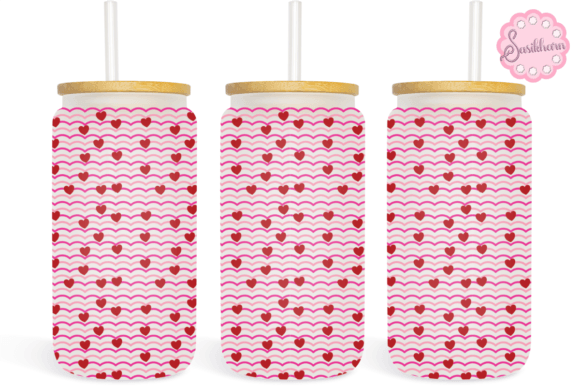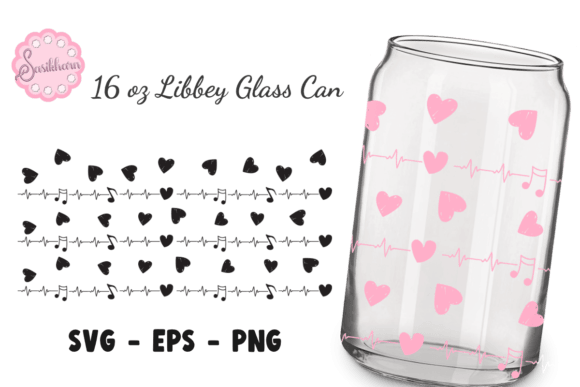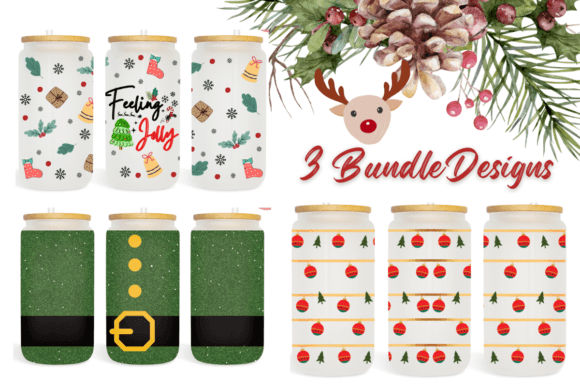
Strawberry Heart Valentine Libbey Glass
As someone who’s stitched hundreds of designs onto everything from newborn onesies to boutique aprons, I opened the Strawberry Heart Valentine Libbey Glass file expecting charm—and got something more practical: a quietly confident little design that knows exactly where it belongs. It’s not flashy. It doesn’t scream for attention. But when you hold it up against a soft pink linen tea towel or imagine it stitched just above the pocket of a cream cotton tote, it lands with warmth and intention.
A Design That Feels Like a Thoughtful Gesture
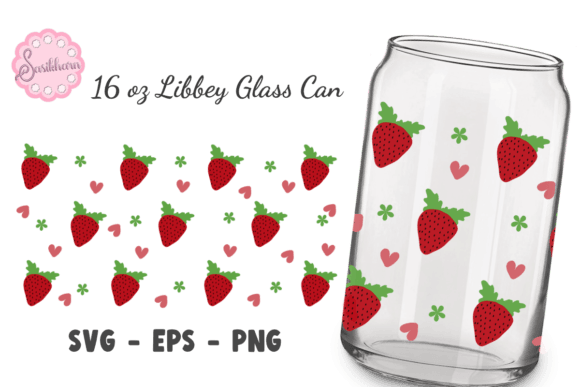
The first thing I noticed wasn’t the strawberry—it was the heart. Not a cartoon heart, not a glittery one, but a gentle, slightly asymmetrical heart outline that cradles the strawberry like a tiny embrace. That subtle imperfection? That’s what makes it feel handmade—not mass-produced. The strawberry itself has soft shading (visible in the 300 DPI PNG), with just enough detail to read clearly at 3–4 inches tall, but not so much that it’ll turn muddy in satin stitch. It’s sweet without being saccharine, romantic without being cliché—perfect for February, yes, but also for spring baby gifts, kitchen-themed bridal showers, or even a small-batch café’s staff aprons.
Where It Shines in Real Embroidery Projects
I tested Strawberry Heart Valentine Libbey Glass as a machine embroidery design on three very different substrates: a medium-weight cotton twill tote, a lightweight French terry sweatshirt, and a woven cotton tea towel. On all three, it held its shape beautifully—no bleeding, no distortion. The clean lines translate well into satin stitch borders and smooth fill stitch interiors. Because it’s a compact, centered motif (no sprawling vines or floating text), it works especially well as a toe-the-line embroidered patch, a subtle chest emblem on a unisex crewneck, or a delicate accent on a nursery pillow cover.
For Etsy sellers and craft fair vendors, this is low-risk, high-return design territory. It reads instantly as “handmade,” “thoughtful,” and “Valentine-adjacent”—but flexible enough to sell year-round. Pair it with neutral fabrics and natural thread colors (rosewood, dusty rose, olive, cream), and it becomes part of a cohesive brand story—not just a seasonal add-on.
Where to Use It With Care
This isn’t a design for ultra-fine detail work—or for pushing technical limits. If you’re planning to stitch it inside a 3” hoop on thin jersey or stretchy knit, proceed with caution. The curves are gentle, but tight corners can pucker without proper stabilizer. Likewise, on dark fabric, make sure your thread contrast is strong—light pinks or creams may vanish unless you add an underlay or use a white bobbin thread trick.
It’s also not ideal for heavily textured surfaces like bouclé or thick terry cloth without extra stabilization and possibly reduced stitch density. And while it’s lovely on curved items like caps, avoid placing it too close to the bill seam—those gentle curves compress differently than flat fabric, and the heart’s bottom edge could distort.
What It Adds to Your Finished Product
Let’s be real: customers don’t buy embroidery—they buy feeling. A Strawberry Heart Valentine Libbey Glass–embroidered kitchen towel isn’t just functional; it whispers “I made this for you.” That matters for handmade product perception. It elevates perceived value without requiring complex digitizing or expensive thread upgrades. It also builds trust: clean lines, balanced proportions, and intentional spacing signal professionalism—even if you’re a solo crafter working from your dining table.
For commercial embroidery shops, this design scales well across client types—small boutiques ordering custom staff gifts, wedding planners sourcing personalized favors, or daycare centers wanting soft, cheerful decor. Its simplicity means fewer re-stitch requests and faster turnaround. For digital product sellers, it’s a smart addition to a curated Print Templates collection—especially when bundled with coordinating mockups (a Libbey glass photo background, a linen napkin flat lay) that show how it looks *in context*, not just as a file.
Practical Notes Every Embroidery Designer Should Check
- Test first. Always run a sample on scrap fabric matching your final substrate—even if it’s “just cotton.” Thread tension shifts, and stabilizer choice changes everything.
- Review stitch density. Since only a PNG is included (no embroidery file formats listed), confirm with your digitizer whether fill areas are optimized for breathability—especially for baby embroidery or wearable items.
- Check hoop size compatibility. At 9.75 x 5 inches (straight measure), it’s designed for larger hoops—but verify how your digitized version fits before committing to production runs.
- Assess small details. Zoom in on the strawberry seeds and heart outline in the PNG. Are they crisp enough to digitize cleanly at your intended size? If not, a light vector trace may help.
- Mock it up in black and white. This design relies on shape and contrast—not color—so see how it reads without hue. Does the heart still anchor the composition?
- Confirm licensing. As a Graphics download, usage rights aren’t specified here. If you plan to sell finished products or resell the design digitally, verify terms before launch.
Final Thought: A Quietly Versatile Asset
The Strawberry Heart Valentine Libbey Glass won’t dominate your portfolio—but it might become your most-repeated go-to for heartfelt, small-batch work. It’s the kind of design that makes customers pause, smile, and say, “That’s exactly what I wanted.” Not loud. Not trendy. Just right. Whether you’re stitching it onto a holiday gift, prepping for a spring craft fair, or building a signature line of embroidered kitchen goods, it earns its place—not by shouting, but by staying true to its quiet, berry-sweet voice.